

Gambling Player Rights
South African gambling law protects players through rules for licensed games, restrictions on advertising, self-exclusion and complaint processes. These protections depend on dealing with a properly licensed operator.

Protections for Players at Licensed Operators
Unlike unregulated markets where players possess no statutory standing against gaming houses, patrons engaging with licensed South African operators are protected by substantive legal rights. The National Gambling Act, combined with the Consumer Protection Act 68 of 2008 where applicable, ensures that gambling transactions adhere to principles of transparency, fair mathematical execution, and administrative justice.
Under the applicable licensing rules, every licensed operator is legally bound to conduct games in strict conformity with approved technical rules and published payout schedules. Patrons have the right to inspect game rules, house advantages, and pay tables prior to placing any wager.
Self-Exclusion and the National Register
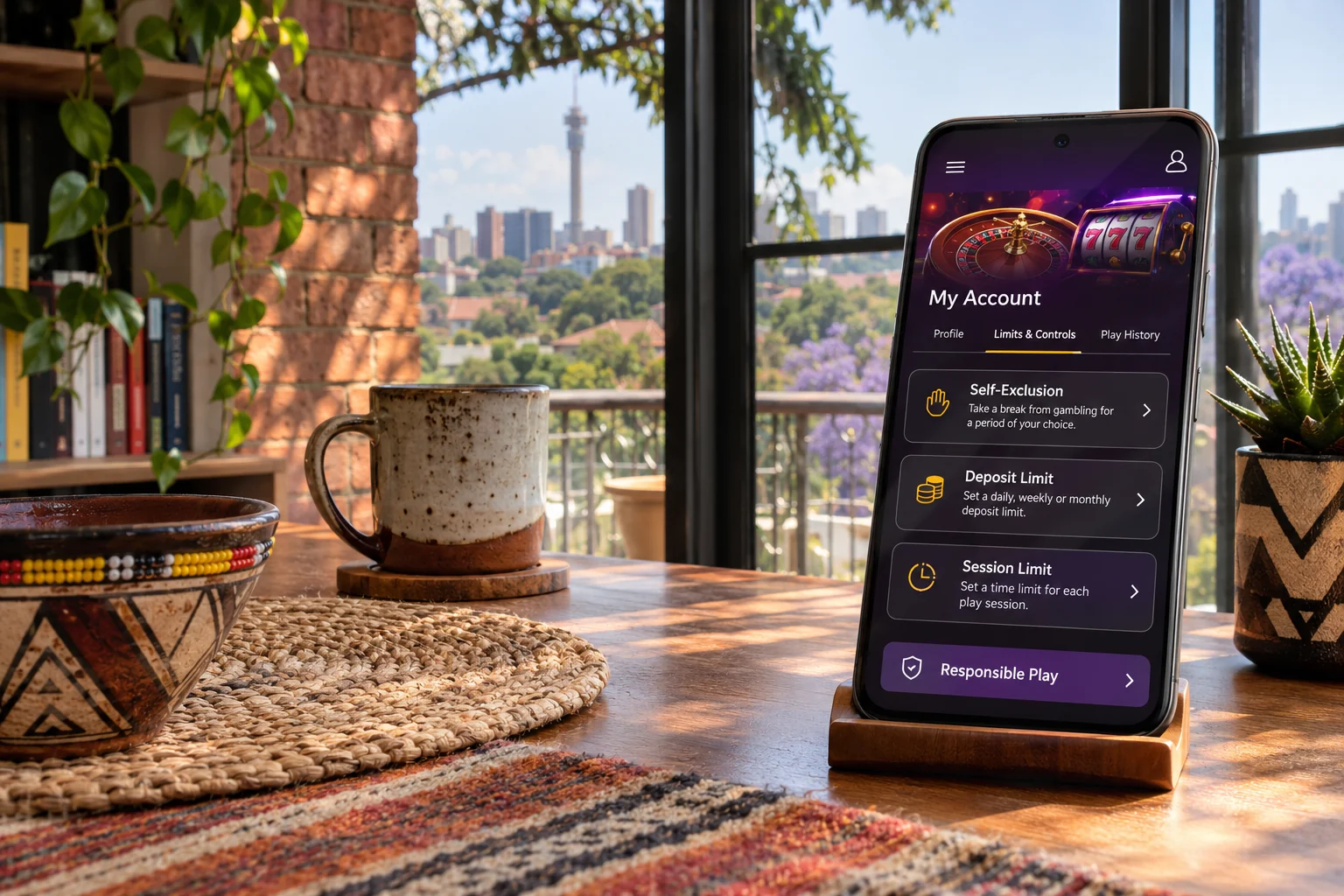
The protection of vulnerable individuals constitutes an explicit statutory mandate under Section 14 of the National Gambling Act. The statute establishes the National Excluded Persons Register, a central database administered by the National Gambling Board in coordination with provincial authorities.
The exclusion framework operates through two distinct legal mechanisms:
- Voluntary Self-Exclusion: Any individual who recognizes a developing gambling addiction may apply in writing to the National Gambling Board or any provincial licensing board to be registered as an excluded person. The exclusion period remains in effect for a minimum statutory duration of six months, during which the individual cannot revoke the status.
- Involuntary Exclusion via Court Order: Under Section 14(2), a family member, dependent, or interested party may apply to a competent Magistrates Court for an order compelling the registration of an individual as an excluded person, provided evidence demonstrates that the individual is causing severe financial or emotional harm to dependents.
Licensed operators are legally mandated to enforce the register. If a licensed casino or online bookmaker knowingly admits an excluded person, allows them to place bets, or transmits direct marketing materials to them, the operator commits an administrative offense subject to financial penalties and mandatory forfeiture of any revenue generated from the excluded patron.
Strict Prohibition of Credit Extension
Section 13 of the National Gambling Act restricts licensed operators from extending credit for the purpose of gambling. Operators violating this provision face regulatory sanctions.
Advertising Rules and Minors
Statutory regulations strictly curtail gambling marketing to protect youth and vulnerable populations:
- Absolute Age Restriction: Gambling is strictly restricted to persons aged 18 years and older. Operators must verify age via valid South African identity cards or passports prior to registration.
- Mandatory Responsible Gambling Warnings: All promotional broadcasts, print advertisements, and digital banners must display the official warning message alongside the toll-free helpline of the National Responsible Gambling Programme.
- Misleading Win Claims Prohibited: Advertisements cannot portray gambling as a viable financial strategy, career choice, or solution to financial distress.
- No Marketing to Excluded Persons: Direct promotional communications via SMS, email, or direct digital channels to individuals on the excluded persons register are statutorily prohibited.
Statutory Dispute Adjudication Procedures

When a customer disputes an unsettled bet, contested jackpot, or account suspension, South African law establishes a formal administrative escalation path:
| Dispute Stage | Action Entity | Statutory Process | Resolution Authority |
|---|---|---|---|
| Stage 1: Internal Operator Review | Operator Customer Support & Compliance | Written complaint lodged within 14 days of incident | Internal dispute findings issued within 10 business days |
| Stage 2: Provincial Board Escalation | Provincial Licensing Board Inspectorate | Formal complaint submission with bet slips and logs | Inspector investigation, technical audit, and binding ruling |
| Stage 3: Board Committee Hearing | Provincial Board Licensing Committee | Formal administrative hearing with legal representation | Statutory board determination and compliance order |
| Stage 4: Judicial Review | High Court of South Africa | Review under Promotion of Administrative Justice Act | High Court judicial ruling on administrative legality |
Table 5: Statutory escalation stages for gambling consumer disputes in South Africa.
Provincial boards possess extensive subpoena and investigatory powers. They can demand raw surveillance video, cryptographic server logs, and transaction timestamps. If an operator is found to have wrongfully withheld valid winnings, the board orders immediate payment accompanied by administrative penalty notices.
Venue Safeguards and ATM Placement
National gambling regulations prohibit a cash dispensing machine within five metres of an entrance to a designated gaming area or anywhere inside it. The machine must not be visible from that area.
Players can ask a casino cashier which cards and payment methods it accepts before buying chips or requesting a withdrawal.
Court Claims for Self-Exclusion Breaches
The legal liability of casino operators who fail to exclude registered individuals has been tested repeatedly in the High Court of South Africa. Where a patron registered on the National Excluded Persons Register manages to enter a casino, play games, and suffer financial losses due to negligent gate control or flawed biometric screening, courts have entertained civil delictual claims against the operating company.
While the common law principle holds that players retain personal agency over gambling decisions, statutory regulations establish that an operator that intentionally or negligently allows an excluded patron onto the floor breaches a statutory duty of care. Provincial boards routinely levy administrative fines against non-compliant venues and require full restitution of any entrance fees or net house win derived from excluded patrons.
National Responsible Gambling Programme
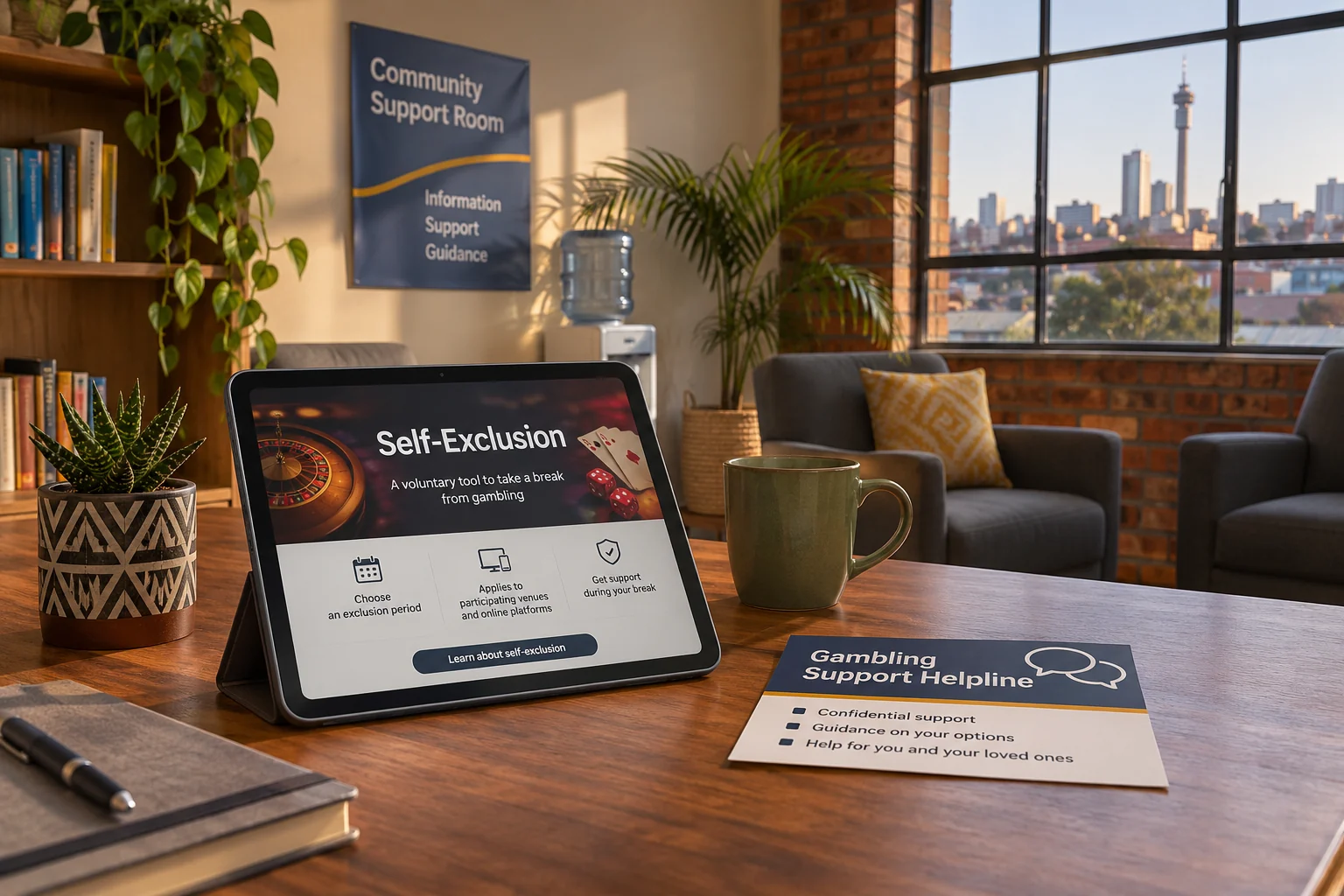
South Africa operates one of the world's most integrated responsible gaming programs through the South African Responsible Gambling Foundation (SARGF). Funded via mandatory levies on licensed operators, the NRGP provides:
- A 24/7 toll-free crisis helpline offering counseling in all official languages.
- Free outpatient and inpatient psychiatric and psychological treatment for certified problem gamblers.
- Public awareness campaigns in secondary schools, universities, and community centers regarding the statistical realities and risks of gambling.
- Comprehensive training for casino and betting shop employees to recognize behavioral indicators of problem gambling.
Signs of Illegal Player Exploitation
INSTANT DISQUALIFIERS- Offering credit, overdraft facilities, or loan arrangements to patrons to gamble (Strictly prohibited by Section 13 of Act 7 of 2004)
- Permitting an individual registered on the National Excluded Persons Register to enter, wager, or receive marketing messages
- Refusing or delaying valid withdrawal requests beyond statutory timeframes without a formal written notice of FICA inquiry
- Distributing promotional material or advertising gambling opportunities to minors or individuals under 18 years of age
- Operating electronic gaming machines or tables without displaying approved rules and theoretical Return to Player (RTP) tables
Frequently Asked Questions
How does an individual apply for self-exclusion in South Africa?
An individual can apply for self-exclusion by completing the official Form NGB 8 available on the National Gambling Board website, or by visiting any licensed casino or provincial gambling board office in person with valid identification.
Can a player recover losses incurred at an illegal gambling website?
No. Under South African law, contracts based on illegal gambling are void and unenforceable under the common law doctrine of in pari delicto. Winnings from unlawful gambling are subject to state forfeiture rather than recovery.
What is the toll-free helpline number for gambling counseling in South Africa?
The South African Responsible Gambling Foundation operates a confidential national counseling network through certified clinical desks, providing immediate assistance and clinical referrals.