

Gambling Complaints and Enforcement
Players who dispute a payout, bet settlement or account closure should first contact the licensed operator, then the provincial authority that issued its licence. This page explains how to document and escalate a complaint.
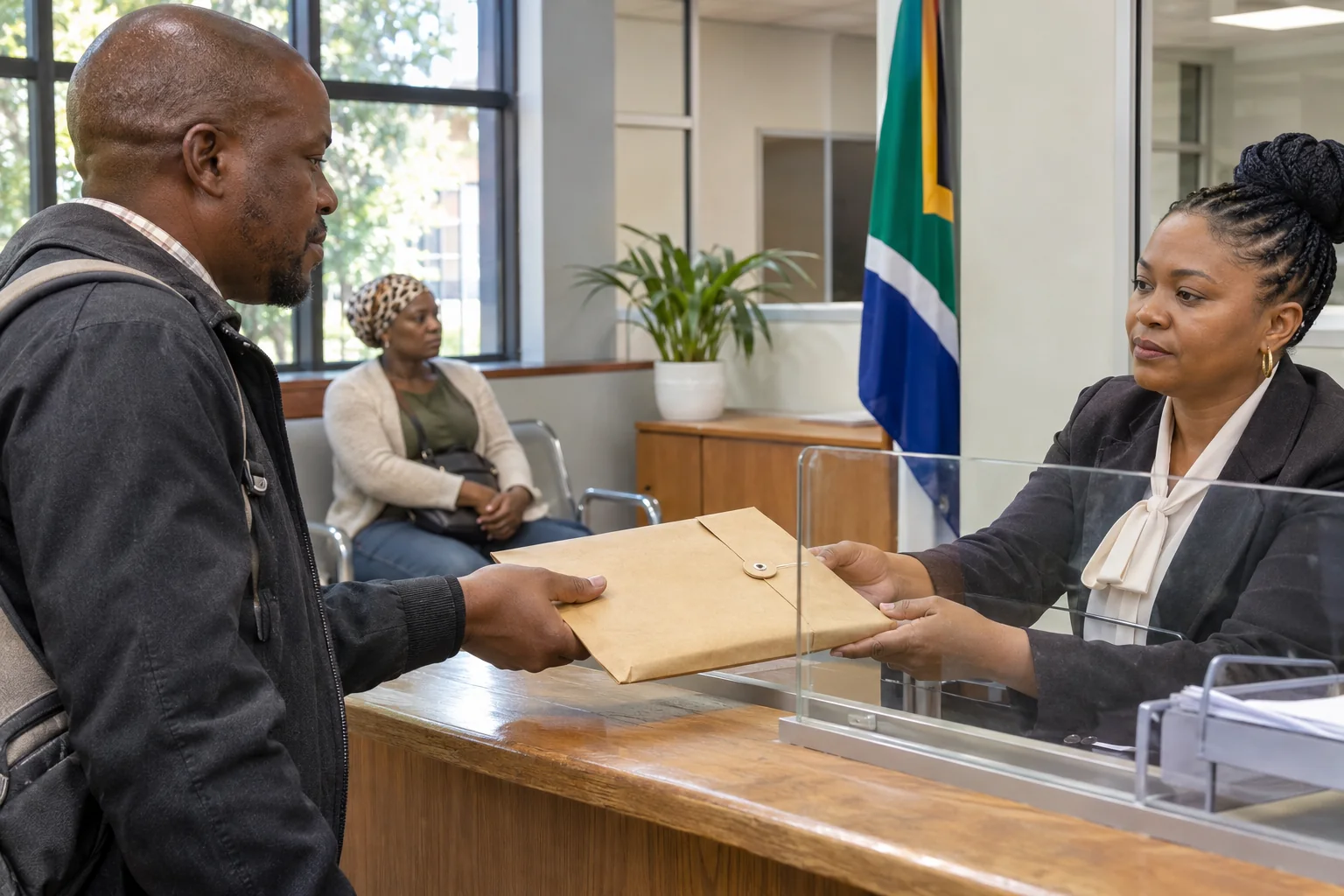
Statutory Groundwork for Consumer Disputes
Section 16 of the National Gambling Act addresses the enforceability of licensed gambling debts. The operator's licence and published game rules also matter when a player disputes a payout.
A player can challenge a withheld payout, changed odds or account freeze by keeping account records and asking the operator for a written explanation. If the issue remains unresolved, contact the issuing provincial authority.
The Four-Stage Dispute Escalation Procedure

To successfully resolve a wagering dispute, complainants must follow the structured administrative escalation path:
- Stage 1: Internal Operator Dispute Submission: The complainant must first lodge a formal written dispute with the operator's compliance manager. The complaint must include:
- Full legal name, registered account username, and contact details.
- Exact transaction dates, times, and monetary amounts.
- Serialized bet slip numbers, transaction reference codes, and game round IDs.
- Factual description of the dispute and copies of all correspondence.
- Stage 2: Formal Complaint to the Issuing Provincial Board: If the operator rejects the claim or fails to respond within the statutory timeframe, the player may escalate the matter directly to the provincial gambling board that licensed the operator. The complaint must be accompanied by the operator's written rejection letter and all supporting documentary evidence.
- Stage 3: Technical Audit and Review: The provincial board assigns a sworn compliance inspector to investigate the matter. The inspector possesses statutory authority to:
- Subpoena complete cryptographic server logs, database timestamps, and odds history feeds.
- Review physical closed-circuit television (CCTV) footage of casino tables or cashier cages.
- Request external software audits from accredited testing laboratories (such as GLI Africa).
- Conduct formal investigative interviews under oath with operator technical executives and the complainant.
- Stage 4: Board Determination and Binding Ruling: The inspector presents an investigative report to the Provincial Board's Dispute or Licensing Committee. The Committee issues a formal administrative ruling. If the board finds in favor of the patron, it issues an enforceable compliance order compelling immediate payment of the disputed winnings, often accompanied by an administrative fine against the operator for non-compliance.
Judicial Review Under PAJA
Decisions issued by provincial gambling boards constitute administrative action under Section 33 of the Constitution. An aggrieved party who believes a board decision was biased, procedurally unfair, or based on an error of law may institute judicial review proceedings before the High Court of South Africa under PAJA Act 3 of 2000.
Reporting Illegal Gambling

Regulators also receive reports of unlicensed gambling venues:
| Reporting Dimension | Receiving Authority | Reporting Channels | Statutory Action Taken |
|---|---|---|---|
| Illegal Physical Dens | Provincial Boards & SAPS Commercial Crimes | Dedicated provincial whistleblowing hotlines, written affidavits | Undercover surveillance, search warrant execution, armed raid, venue closure |
| Offshore Casino Websites | National Gambling Board Compliance Division | Official reporting portal at ngb.org.za / email complaints | Referral to SARB for banking blocks, High Court DNS blocking applications |
| Deceptive Affiliate Marketing | Advertising Regulatory Board (ARB) & NGB | Formal advertising complaints with digital screenshots | Statutory takedown notices, criminal charges for aiding illegal gambling |
| Underage Gambling Breaches | Provincial Board Inspectorates | Immediate incident reporting with venue location details | Immediate on-site investigation, suspension of commercial license |
Table 5: Reporting channels and enforcement responses for gambling violations in South Africa.
Legitimate Expectation in Hearings
The adjudication of gambling disputes by provincial licensing committees is governed by the constitutional principles of administrative justice codified in the Promotion of Administrative Justice Act 3 of 2000 (PAJA). Under South African administrative jurisprudence, both players and licensed operators possess a legally recognized 'legitimate expectation' that regulatory boards will follow fair, unbiased, and transparent procedures.
A provincial board handling a dispute should give the parties notice and a fair opportunity to respond under its procedures. Ask the board for written reasons if a decision is unclear.
Protected Disclosures Act: Whistleblowers
To uncover sophisticated fraud, illegal game manipulation, or deliberate tax under-reporting, regulatory authorities rely increasingly on internal industry disclosures. Employees of commercial casinos, digital bookmakers, and software suppliers who report regulatory violations are statutorily protected under the Protected Disclosures Act 26 of 2000 (the Whistleblowers Act).
Employees who report suspected unlawful gambling may have protections under employment and whistleblower laws. The remedy depends on the disclosure and the employer's response.
Sanctions Against Licensed Operators

Provincial boards can act against operators that breach licence conditions or consumer rules:
- Administrative Monetary Penalties: Imposing direct financial fines running from tens of thousands to millions of rand for regulatory breaches, failure to file FICA reports, or admitting excluded individuals.
- Mandatory License Condition Amendments: Imposing restrictive operational conditions, such as requiring external surveillance monitors or third-party financial audits.
- License Suspension: Temporarily halting gaming operations, closing physical casino doors, or turning off digital betting servers until critical compliance failures are rectified.
- Permanent License Revocation: The ultimate administrative penalty, permanently stripping the operator of its concession, disqualifying directors, and liquidating corporate assets.