

Identifying Unlicensed Gambling Operators
An offshore casino or fraudulent clone site may display South African flags, quote balances in rand and use bank logos to appear locally licensed. Check the provincial licence, registered company details and payment information before depositing.
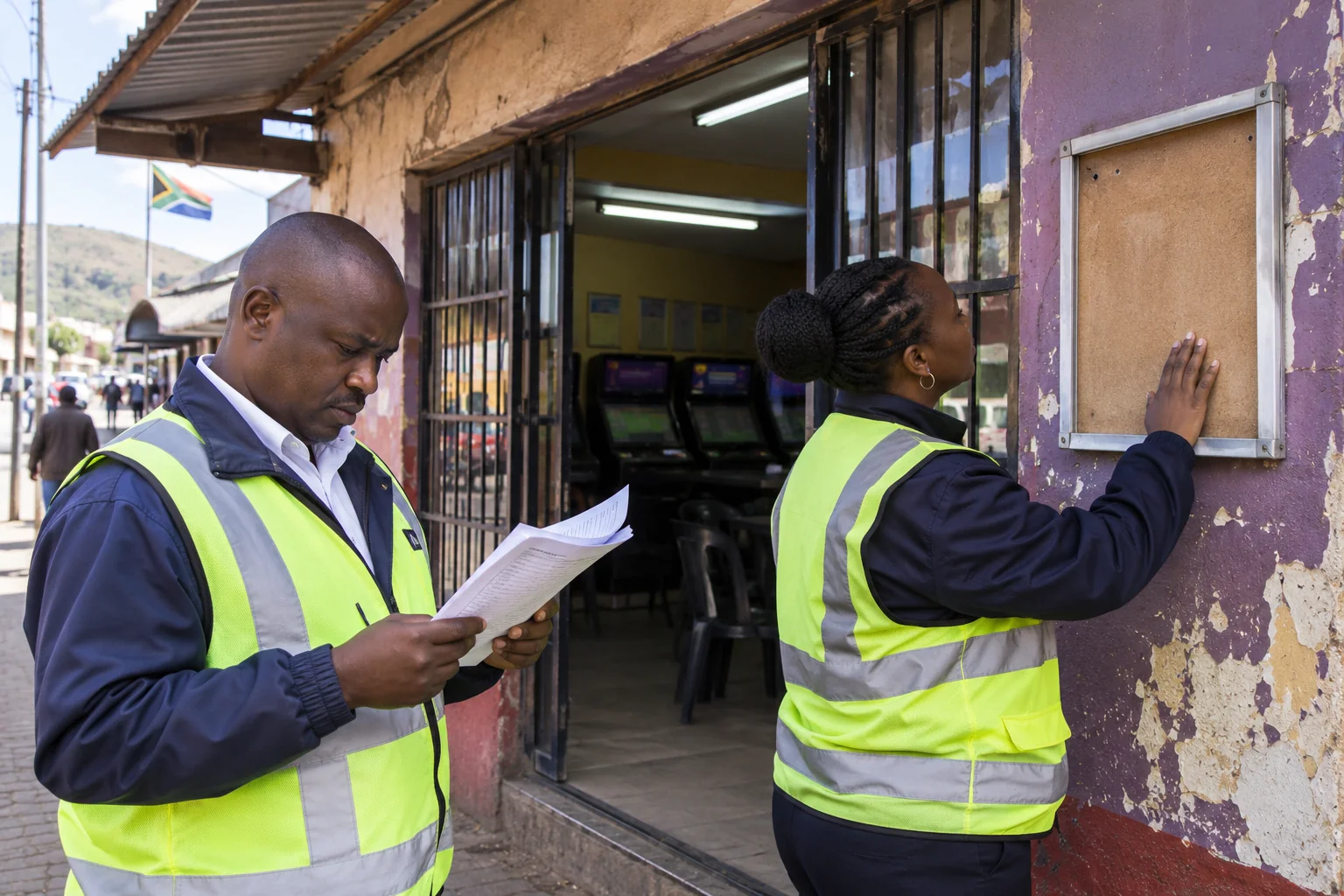
Five Checks for Operator Legitimacy
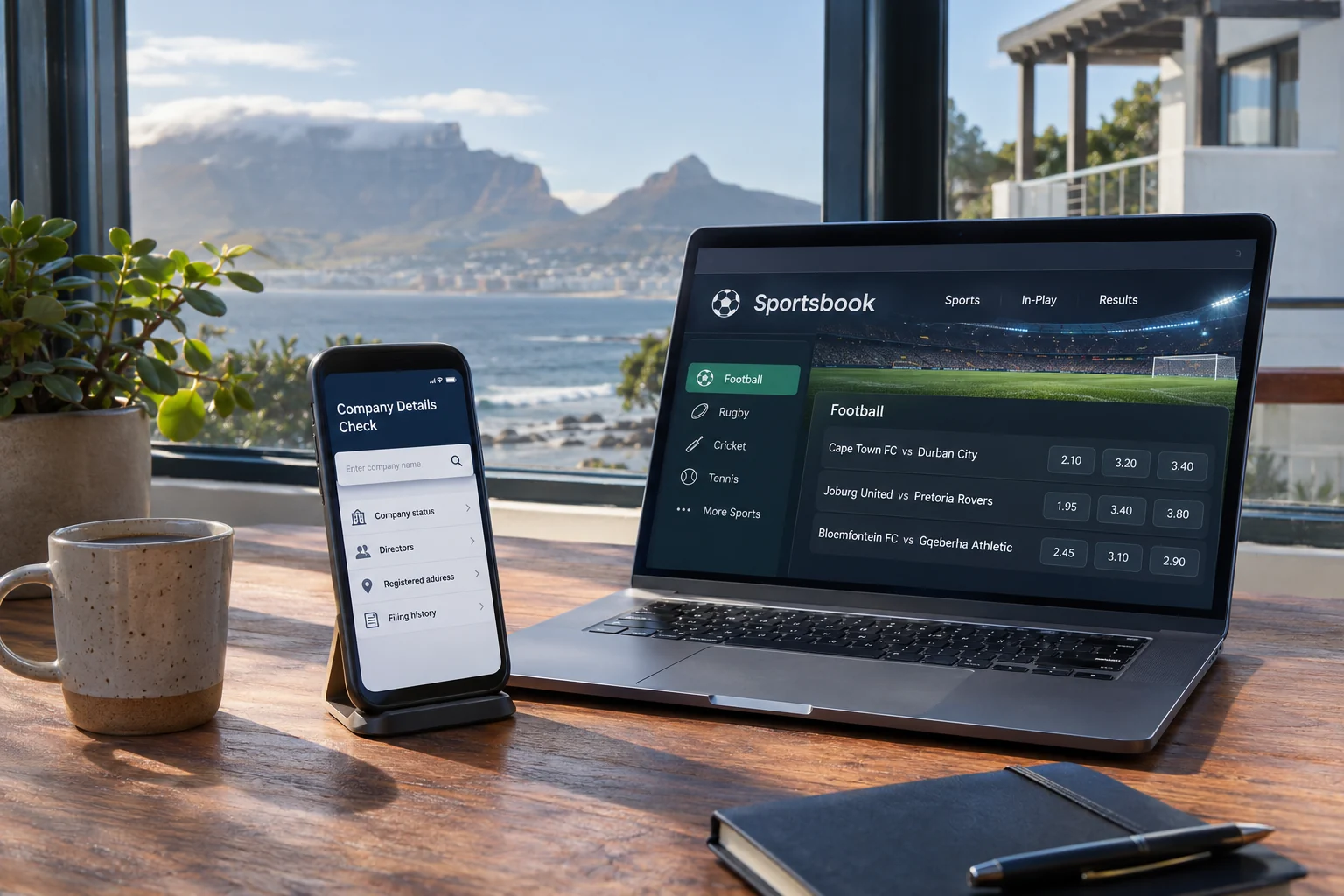
To establish the legal legitimacy of any gaming operator in South Africa, evaluate the entity across five mandatory verification criteria:
- Pillar 1: Specific Provincial Licensing Disclosures: Check the website footer or physical venue entrance for explicit licensing details naming one of the nine provincial gambling boards (such as the Western Cape Gambling and Racing Board, Gauteng Gambling Board, or KZN Gaming and Betting Board) alongside an official license certificate number. Generic claims such as 'Licensed in South Africa' or 'Fully Certified' without naming the specific provincial authority indicate an illegal operation.
- Pillar 2: Public Registry Cross-Referencing: Never rely solely on claims made on an operator's website. Cross-reference the corporate name and license number directly against the official public register published on the issuing provincial board's government domain (e.g., wcgrb.co.za or ggb.org.za).
- Pillar 3: Domestic Commercial Banking Rails: Legitimate South African licensed operators accept deposits exclusively into corporate bank accounts held at registered South African commercial banks (First National Bank, Standard Bank, Absa, Nedbank, Capitec) through verified domestic payment gateways (such as Ozow, SiD Secure EFT, or Peach Payments). If an operator instructs deposits via international cryptocurrency wallets, peer-to-peer wire accounts, or offshore payment processors, the platform is unlicensed.
- Pillar 4: Mandatory FICA Customer Due Diligence: Under the Financial Intelligence Centre Act 38 of 2001, every licensed South African operator is statutorily required to verify customer identity (South African ID book/card or foreign passport) and residential address before enabling withdrawals. Any website that advertises 'No KYC Required' or permits completely anonymous cashouts is an unlawful rogue platform.
- Pillar 5: National Responsible Gambling Integration: All licensed operators are bound by license conditions to display the official National Responsible Gambling Programme warning message alongside the certified crisis counseling portal and enforce formal self-exclusion under Section 14 of the National Gambling Act.
Check Whether a Game Is Legal
If a website offers digital slot machines, virtual roulette, online blackjack, or real-money peer-to-peer online poker, it is illegal under Section 11 of the National Gambling Act 7 of 2004, regardless of what licenses it claims to hold. Legal digital operators are restricted to sports betting, horse racing, and approved contingent numbers draws.
Red Flags in Operator Details
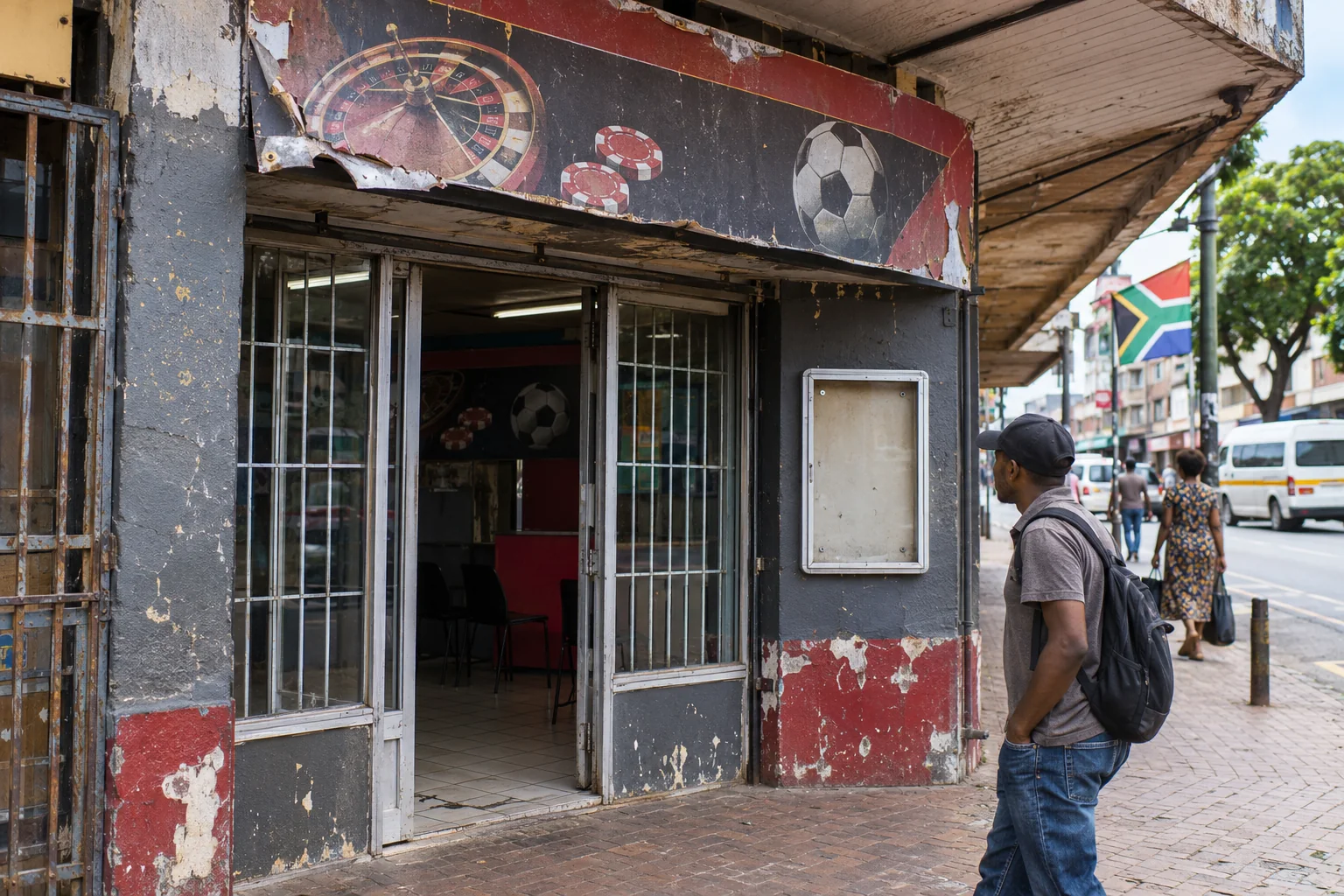
The table contrasts the mandatory operational standards of licensed South African operators against the typical red flags displayed by illegal platforms:
| Verification Dimension | Legitimately Licensed South African Operator | Unlicensed / Rogue Offshore Platform | Verification Action |
|---|---|---|---|
| Product Offering | Sports betting, horse racing, lotto contingencies only | Online slots, digital roulette, virtual blackjack, online poker | Section 11 prohibits unauthorised interactive casino games |
| Licensing Body | Named provincial board (e.g., WCGRB, GGB, KZNGBB) | Curacao, Malta, Costa Rica, or completely undisclosed | Cross-reference provincial board registry |
| Domain Name | Official domain (typically ending in .co.za) | Suspicious top-level domains (.top, .xyz, .cc, .is) | Inspect ZADNA domain registry records |
| Customer Verification | Mandatory FICA ID and proof of residence verification | Advertises 'No ID Required', anonymous instant registration | FICA compliance is mandatory by law |
| Payment Rails | Domestic EFT via FNB, Standard, Absa, Nedbank, Ozow | Cryptocurrency only, foreign cards, unvetted e-wallets | Banks block unauthorized offshore gambling MCCs |
| Dispute Resolution | Direct recourse to provincial gambling board inspectorate | Unresponsive foreign email support, no statutory tribunal | Provincial boards enforce binding rulings |
| Responsible Gaming | Prominently displays official SARGF crisis counseling credentials | Displays generic foreign badges (e.g., GamCare UK, BeGambleAware) | SARGF affiliation is a mandatory license condition |
Table 5: Definitive red flags checklist for identifying illegal gambling operators in South Africa.
Analyzing Deceptive Localization Tactics
Rogue operators invest heavily in deceptive localization techniques designed to lower consumer suspicion:
- Currency Display: Automatically detecting South African IP addresses and presenting account balances, deposit minimums, and promotional bonuses in South African Rand (ZAR) to fabricate domestic legitimacy.
- National Symbol Exploitation: Prominently featuring imagery of South African sports teams (such as the Springboks), national landmarks (Table Mountain), or cultural motifs on landing pages.
- Unauthorized Bank Logo Placement: Displaying the corporate trademarks of major South African banks in website footers without commercial authorization, misleading consumers into believing formal clearing agreements exist.
Checking Responsible Gambling Support
A simple yet powerful verification indicator involves testing an operator's responsible gambling support links. In South Africa, all legitimate licensed operators are legally required to display certified integration with the South African Responsible Gambling Foundation (SARGF) counseling portal and certified support credentials.
Rogue offshore websites frequently copy regulatory banners from overseas jurisdictions, displaying generic foreign hotlines such as GamCare UK, the Australian National Gambling Helpline, or BeGambleAware. If an online platform does not provide direct contact details for South Africa's national counseling network, it is operating entirely outside the South African statutory framework.
Home Affairs Population Register Integration
Identity verification is a useful check, but the method varies by operator. A request for a South African ID does not itself prove that the betting site is licensed.
Some bookmakers verify identity through third-party services or manual documents. An offshore site can also request an ID, so use the provincial register to confirm legal status.
How to Report an Unlicensed Gambling Operator
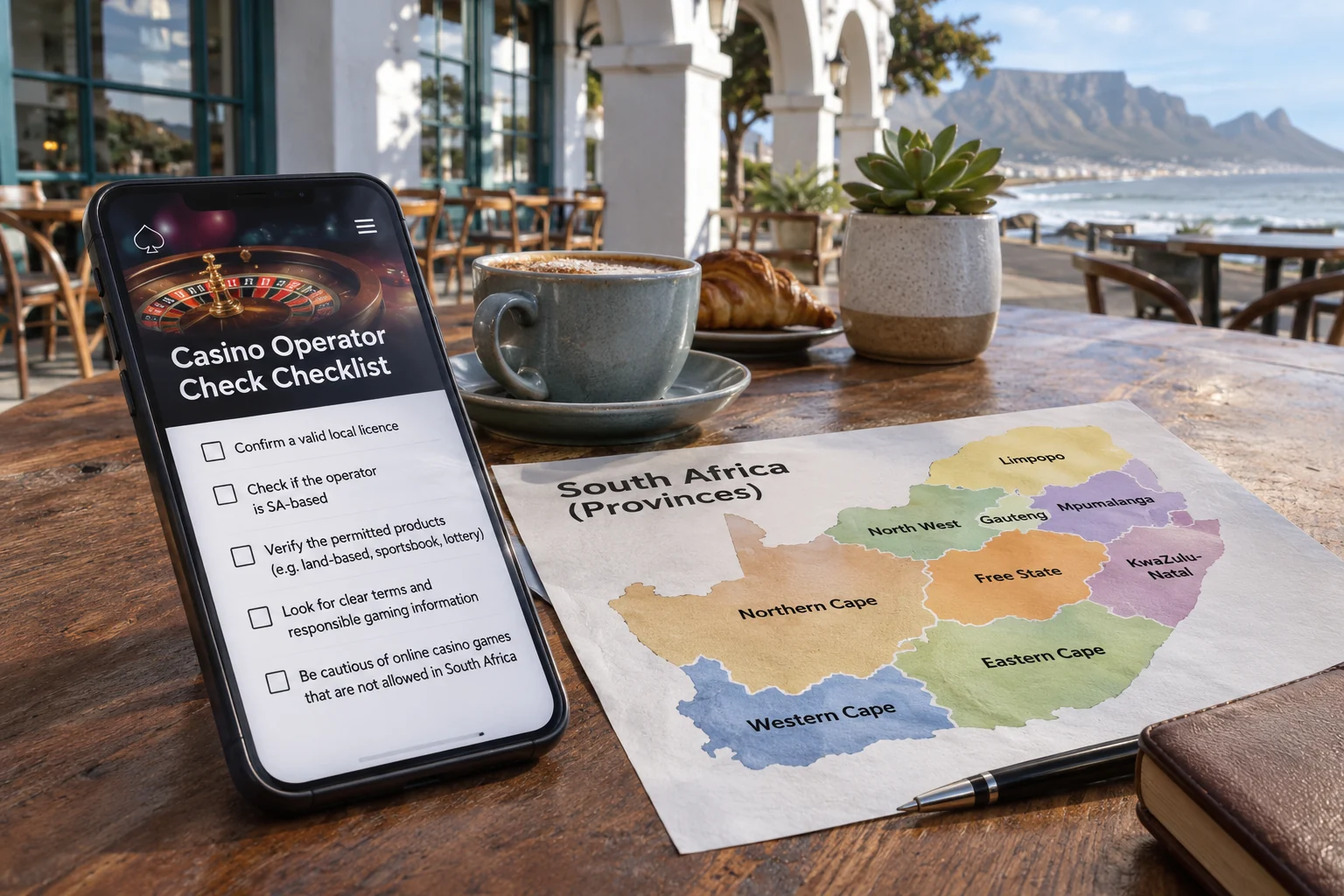
Members of the public, corporate entities, and compliance professionals who identify an unlicensed gambling venue, clandestine internet cafe, or rogue online portal can report the violation through formal regulatory channels:
- The National Gambling Board (NGB): File an official complaint via the compliance portal at ngb.org.za or submit documentation to the NGB enforcement division in Centurion.
- The Relevant Provincial Gambling Board: Submit physical addresses, photographic evidence, and transaction slips to the compliance inspectorate of the provincial board possessing territorial jurisdiction.
- The South African Police Service (SAPS): Lodge a formal criminal complaint at any local police station or contact the Specialized Commercial Crime Unit to initiate search-and-seizure warrant applications.
- The Advertising Regulatory Board (ARB): Report local digital media publishers, social media influencers, or billboards promoting illegal offshore casinos for immediate statutory takedown notices.